What does a Mental Health First Aider actually do?
Mental Health First Aiders (MHFAiders®) are trained to recognise when someone may be experiencing poor mental health, start a supportive conversation and help them find appropriate support.
When organisations introduce MHFAiders® into the workplace, one of the most important things to understand is what the role is – and what it isn’t.
An MHFAider® isn’t there to diagnose someone, provide therapy or solve their problems. Their role is to notice, listen, reassure and signpost – helping to create a workplace where people feel more able to talk about their mental health and seek support when they need it.
Recognising when someone may be struggling
Poor mental health doesn’t always look the way we expect. Someone may become quieter, more withdrawn or less engaged. Their behaviour, performance or relationships at work may change. Sometimes there may be no obvious signs at all.
MHFA training helps people develop the confidence to notice possible changes without making assumptions or trying to diagnose what may be happening.
Starting a supportive conversation
Knowing that someone might be struggling is one thing. Knowing what to say can feel much harder.
MHFAiders® learn how to approach someone appropriately, ask how they are and create an opportunity for an open conversation. They also learn that they don’t need to have all the answers.
Sometimes the most valuable thing we can do is give someone the time and space to talk – and genuinely listen.
Listening without judgement
A key part of the MHFAider® role is listening. That means giving someone your attention, avoiding assumptions and allowing them to explain what is happening in their own way.
The aim isn’t to immediately fix the situation. It is to help the person feel heard and supported while considering what might help them next.
Encouraging appropriate support
Mental Health First Aiders are not a replacement for professional help. An important part of the role is knowing when and how to encourage someone towards appropriate sources of support.
Depending on the situation, that might include support available within the organisation or appropriate health and professional services.
Understanding boundaries
Being supportive doesn’t mean taking responsibility for another person’s mental health.
Good Mental Health First Aid includes understanding the boundaries of the role, recognising its limits and looking after your own wellbeing too. This is something we place particular emphasis on during our training.
So, what does an MHFAider® do?
Building confidence through training
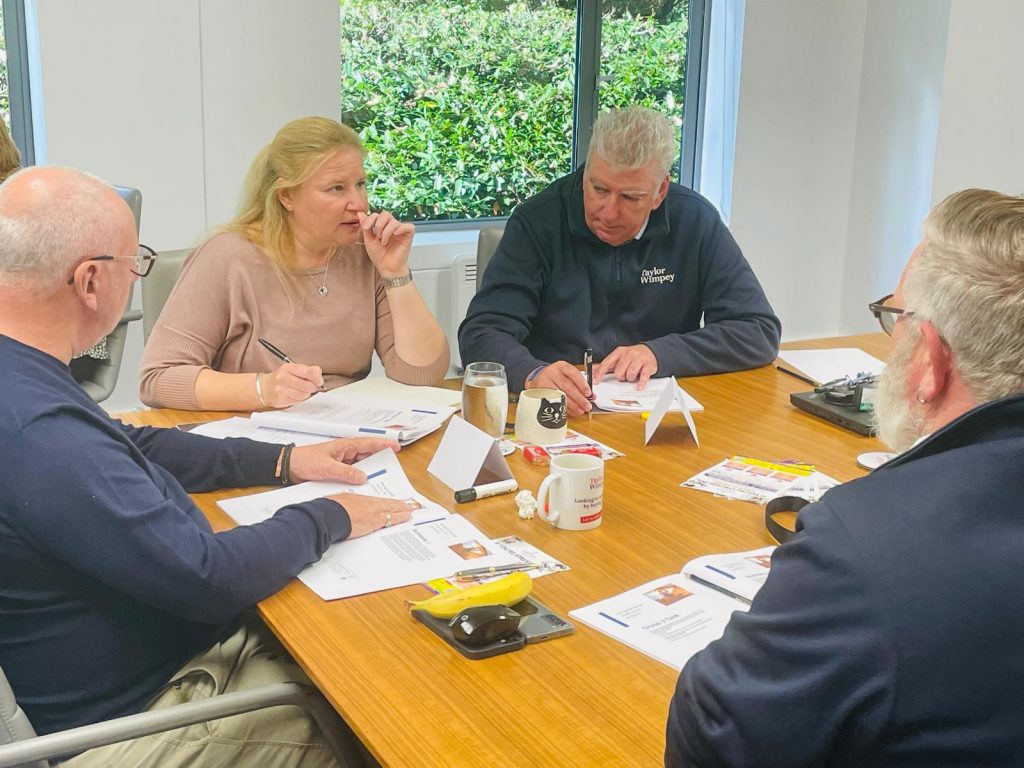
At BTG Training, our MHFAider® courses are practical and interactive. Learners have opportunities to discuss realistic situations, practise conversations, ask questions and learn from the experiences of others.
Wherever possible, we deliver with two experienced facilitators. This gives learners additional support and creates more opportunities for discussion and reflection throughout the course.
The aim isn’t for people to leave feeling that they have to become mental health experts. It’s for them to leave feeling better prepared to notice, listen, support and signpost when somebody needs help.
Interested in Mental Health First Aid training?
Our MHFAider® course can be delivered for organisations, and we also run open courses for individual learners.